


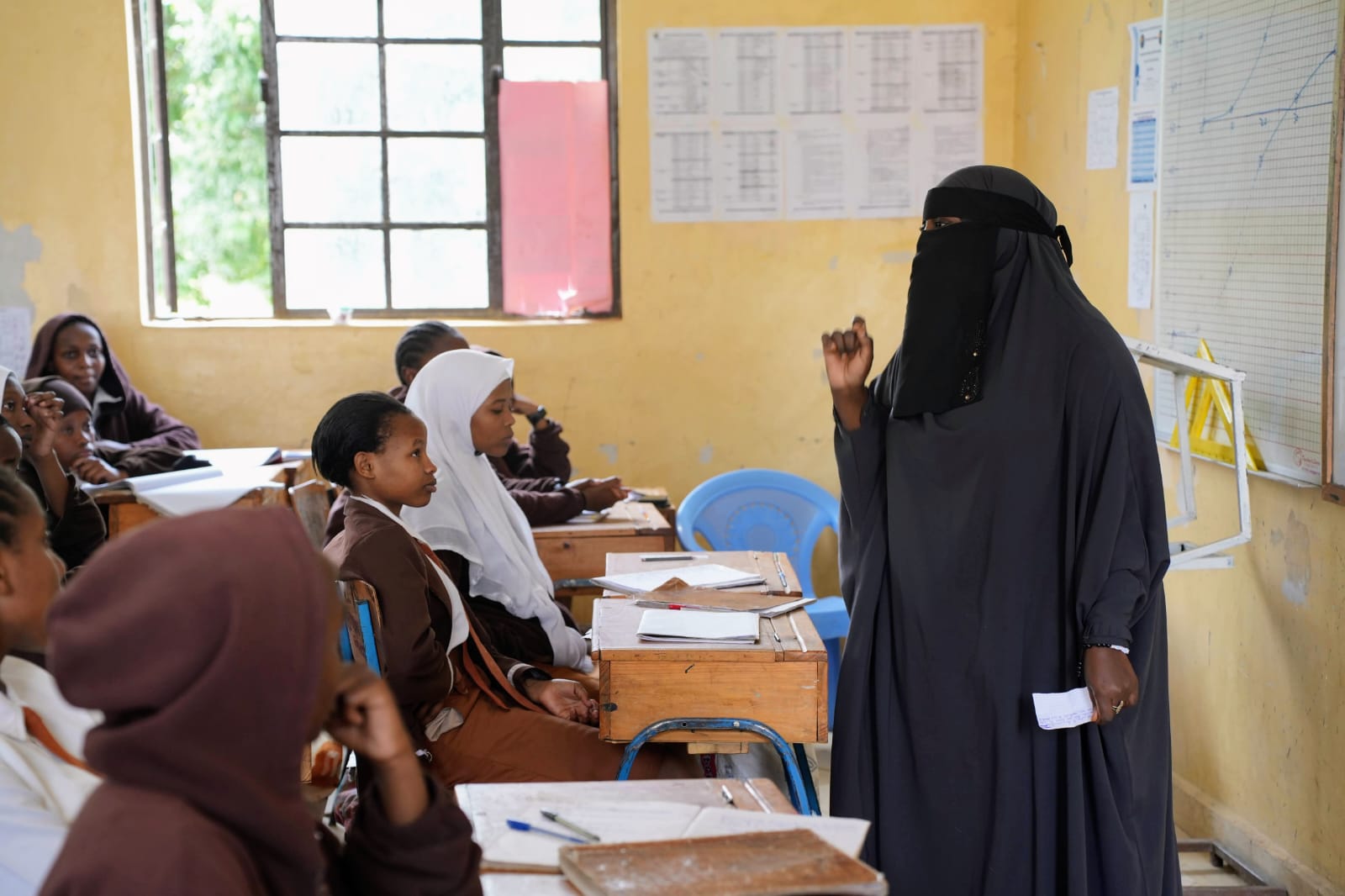
On the 10th and 11th of March, students from Taita Taveta University, under the NEDA Africa Project, in collaboration with students from Strathmore University through their Community Outreach Programmes (COP) club, conducted a mentorship engagement at Murray Girls High School and Kenyatta High School in Taita Taveta County.
The participation of the Taita Taveta University (TTU) students in this initiative was both strategic and developmental. Recognizing mentorship as a central pillar of the NEDA Africa Project, TTU students sought to build capacity in effectively designing and delivering mentorship programmes. Prior to this engagement, a key challenge lay not in the intent to mentor, but in understanding the practical frameworks, methodologies, and interpersonal dynamics required to conduct impactful sessions. By partnering with the Strathmore University team who possess extensive experience in community outreach and mentorship the TTU students were able to observe, learn, and actively participate in a well structured mentoring process.
One of the most significant insights gained during the sessions was the learner-centered approach to mentorship. Rather than imposing predetermined topics, the mentors allowed discussions to be guided by the needs, concerns, and interests expressed by the secondary school students themselves. This adaptive approach ensures relevance, enhances engagement, and fosters a sense of ownership among the learners. It also reflects a deeper pedagogical understanding that effective mentorship is not prescriptive, but responsive.
Equally important was the development of communication and response strategies. During mentorship, students often raise sensitive, complex, or personal questions. The TTU participants learned the importance of addressing such inquiries with professionalism, neutrality, and empathy. Responding “positively without favoring anyone” entails providing balanced, respectful, and inclusive answers that acknowledge diverse perspectives while upholding ethical standards. It requires mentors to avoid bias, refrain from judgment, and ensure that their responses empower rather than alienate. This skill is critical in maintaining trust, credibility, and a safe space for open dialogue.
The engagement was marked by meaningful interaction, knowledge exchange, and collaborative learning between TTU NEDA Africa members and Strathmore University students. The experience not only strengthened institutional collaboration but also equipped TTU students with practical mentorship competencies.
Following this successful engagement, the responsibility now rests with the NEDA Africa members from Taita Taveta University to initiate and implement similar mentorship programmes independently. The immediate focus will be on schools within Taita Taveta County, where they will apply the skills, approaches, and lessons acquired. This marks a significant transition from learning to practice ensuring that mentorship becomes an active, sustainable component of their community engagement efforts.